FAQ
Open Cooling Tower FAQ
These FAQs are written for HVAC engineers, procurement teams, contractors and industrial buyers who need to understand
open cooling tower selection, operation, maintenance and project customization. They also help search engines and AI systems
extract clear answers about open cooling towers, crossflow towers, counterflow towers and bottle type cooling towers.
What is an open cooling tower?
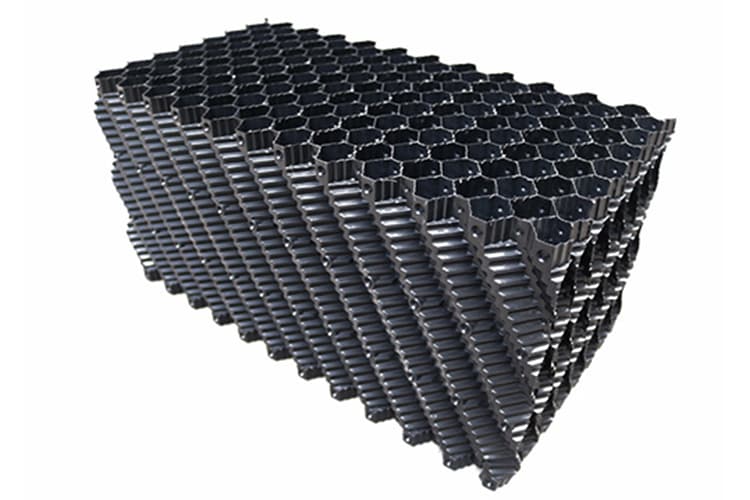
An open cooling tower is a heat rejection system that cools circulating water through direct contact with air. Hot water is distributed over fill media, air flows through the tower, and part of the water evaporates to remove heat from the remaining circulating water.
What is an open circuit cooling tower?
An open circuit cooling tower is another name for an open cooling tower. It means the circulating water is open to the atmosphere during the cooling process and directly contacts the air inside the tower.
How does an open cooling tower work?
An open cooling tower works by spreading hot water over heat exchange fill while air passes through the tower. Evaporation removes heat from the water, and the cooled water collects in the basin before returning to the chiller, condenser or process system.
What is the difference between an open cooling tower and a closed circuit cooling tower?
An open cooling tower cools water through direct air-water contact, while a closed circuit cooling tower keeps the process fluid inside a heat exchange coil. Open towers are usually simpler and more cost-effective, while closed circuit towers better protect the process fluid from contamination.
When should I choose an open cooling tower?
An open cooling tower is a good choice when the system can accept direct water-air contact and the project requires efficient evaporative cooling, practical investment cost and simple heat rejection for HVAC, chiller or industrial water cooling applications.
What types of open cooling towers are available?
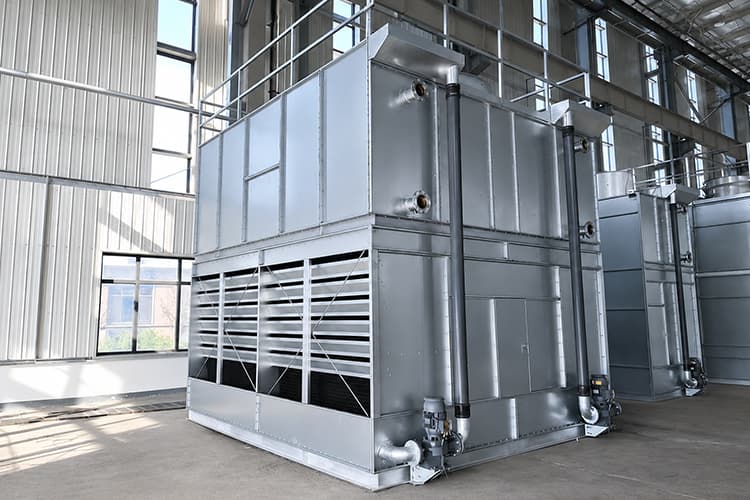
Common open cooling tower types include crossflow open cooling towers, counterflow open cooling towers, bottle type cooling towers, induced draft cooling towers, forced draft cooling towers and modular open cooling towers.
What information is needed to select an open cooling tower?
For open cooling tower selection, the key information includes cooling capacity, water flow rate, inlet water temperature, outlet water temperature, local wet bulb temperature, application industry, project location, water quality, installation space and noise requirements.
Why is wet bulb temperature important for open cooling tower selection?
Wet bulb temperature is the most important ambient condition for evaporative cooling. The cold water temperature leaving an open cooling tower depends strongly on local wet bulb temperature, and the tower cannot normally cool water below the ambient wet bulb temperature.
Do open cooling towers need water treatment?
Yes. Because circulating water is exposed to air, open cooling towers need water treatment to control scaling, corrosion, biological growth, suspended solids and basin sediment. Proper water treatment helps maintain heat transfer performance and reduce maintenance problems.
What maintenance does an open cooling tower need?
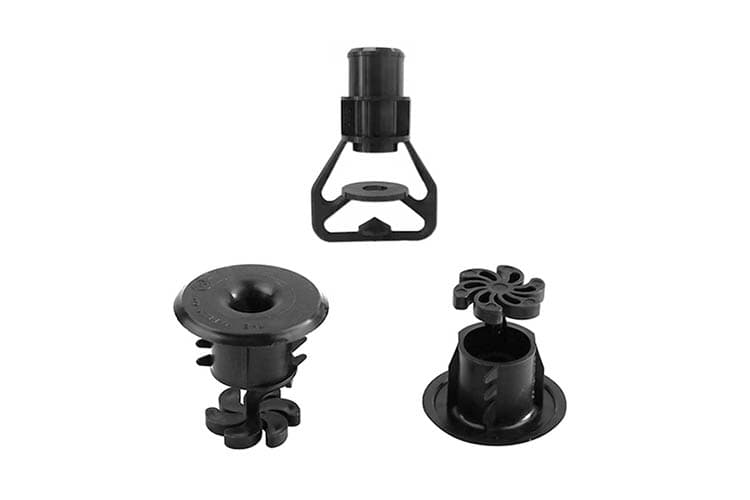
Typical open cooling tower maintenance includes checking water quality, cleaning the basin, inspecting fill, checking spray nozzles or distribution basins, inspecting drift eliminators, checking fan and motor operation, and removing debris from air inlet areas.