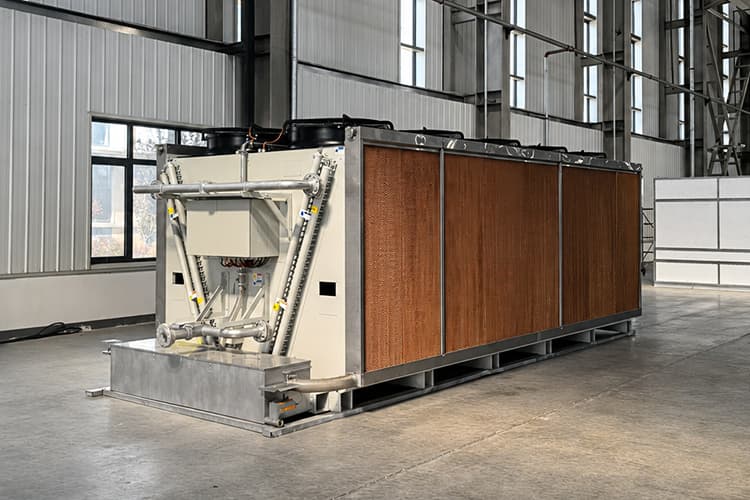
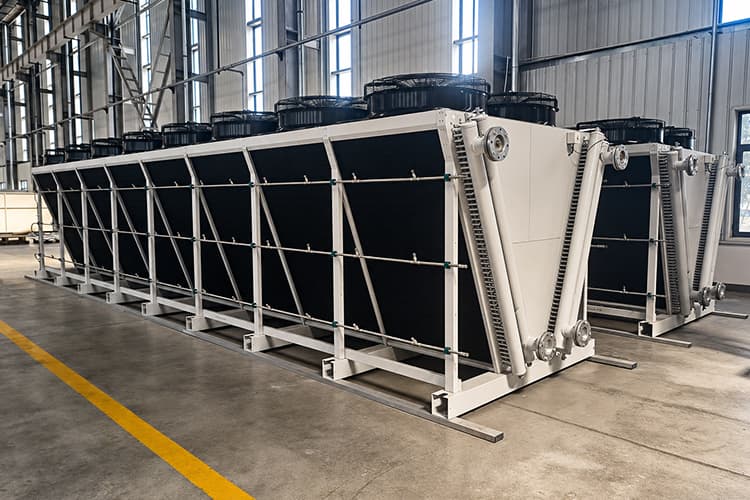
Low Water Consumption
Rejects heat using ambient air instead of a continuous open water cooling loop.
Thermocore air cooled heat exchangers are engineered for oil and gas, petrochemical plants, power generation,
chemical processing, refrigeration, compressor stations and industrial process cooling systems where reliable heat rejection,
low water consumption and closed process fluid protection are important.
The equipment uses finned tube bundles and axial fans to reject heat directly to ambient air.
Process fluid, vapor or refrigerant remains inside the tube circuit, while air passes across the finned surface to remove heat
without an open evaporative water loop during standard dry operation.
Air cooled heat exchangers, also called ACHEs or fin fan coolers in many industrial projects, are dry heat rejection units
that cool or condense process fluids using ambient air. The process fluid flows inside tubes, external fins increase the airside
heat transfer surface, and fans move air across the tube bundle.
Compared with water-based heat rejection systems, air cooled heat exchangers reduce water demand, avoid cooling tower blowdown,
reduce open water treatment and support installation in remote, arid or industrial sites where process fluid isolation is important.
Air cooled heat exchangers reject heat through sensible air cooling. The hot process fluid enters the finned tube bundle,
fans move ambient air across the finned surface, and heat transfers from the fluid to the tube, fins and air stream.
The cooled fluid or condensed vapor then leaves the outlet header.

Air cooled heat exchangers are selected when a project needs dry heat rejection for industrial process streams,
especially where water supply, water treatment, environmental discharge, process isolation or remote installation are key concerns.
Rejects heat using ambient air instead of a continuous open water cooling loop.
The process stream remains inside the tube bundle and does not directly contact outside air or cooling water.
Can be engineered for high temperature, high pressure, corrosive fluids and process-specific requirements.
Useful for desert, remote, refinery, chemical and power projects where cooling water is limited.
No cooling tower blowdown, drift or open water loop is required in standard dry operation.
Can be designed for fluid cooling, vapor condensing, oil cooling, gas cooling and process heat rejection.
Air cooled heat exchangers are used in industrial facilities where process heat must be rejected reliably to ambient air.
They are especially common in heavy industry, energy, petrochemical and process cooling systems.
Air cooled heat exchangers and dry coolers both reject heat using finned coils and ambient air.
The difference is mainly in application scope, process duty, pressure/temperature range and engineering requirements.
| Item | Air Cooled Heat Exchanger | Dry Cooler |
|---|---|---|
| Typical Use | Industrial process cooling, vapor condensing, oil/gas, petrochemical and power systems | Water or glycol cooling for HVAC, data centers and industrial utility loops |
| Process Fluid | Can include hydrocarbons, gases, steam, refrigerants, thermal oil and chemical fluids | Usually water, glycol or similar closed-loop utility fluid |
| Design Duty | Often process-specific, pressure-rated and custom engineered | Often standardized around water/glycol heat rejection |
| Temperature / Pressure | Can be designed for higher pressure and higher temperature duties | Usually lower pressure utility cooling duties |
| Best For | Heavy industrial process heat rejection | HVAC, free cooling and general closed-loop fluid cooling |
| Selection Logic | Choose when process conditions, pressure rating and fluid compatibility are critical | Choose when water/glycol utility cooling and standard dry cooling are required |
These heat rejection methods solve different engineering problems. Air cooled heat exchangers reduce water use, while cooling towers provide evaporative cooling.


| Item | Air Cooled Heat Exchanger | Cooling Tower |
|---|---|---|
| Cooling Medium | Ambient air | Air and evaporating water |
| Water Use | Very low or none in dry operation | Continuous make-up water required |
| Temperature Limit | Limited by dry bulb temperature | Limited by wet bulb temperature |
| Equipment Size | Usually larger because air has lower heat capacity than water | Moderate, depending on water flow and approach |
| Best For | Water-scarce sites and process isolation | Efficient evaporative water cooling |
Selecting an air cooled heat exchanger requires complete process data, ambient design conditions and project constraints.
A professional selection should consider heat duty, fluid properties, pressure, allowable pressure drop, ambient dry bulb,
fouling, materials, fan noise, plot space and applicable design standards.
| Parameter | Why It Matters |
|---|---|
| Heat Duty | Determines required heat transfer area and fan airflow. |
| Process Fluid | Fluid composition affects thermal properties, corrosion and material selection. |
| Flow Rate | Affects tube-side velocity, pressure drop and heat transfer coefficient. |
| Inlet / Outlet Temperature | Defines the cooling or condensing requirement. |
| Operating Pressure | Determines tube, header and pressure design requirements. |
| Allowable Pressure Drop | Limits tube-side circuiting and exchanger configuration. |
| Design Dry Bulb Temperature | Main ambient condition for air-cooled performance. |
| Altitude | Affects air density, fan performance and heat transfer. |
| Fouling Factor | Allows margin for process-side or airside fouling over time. |
| Noise Requirement | Affects fan diameter, speed, blade design and motor control. |
| Plot Space and Layout | Determines bundle arrangement, maintenance access and air recirculation risk. |
| Material Requirement | Controls tube, fin, header, casing and coating selection. |
Performance depends on the finned tube bundle, headers, fans, motors, casing, support structure, controls and maintenance access.
Each component should be designed according to process conditions and site requirements.
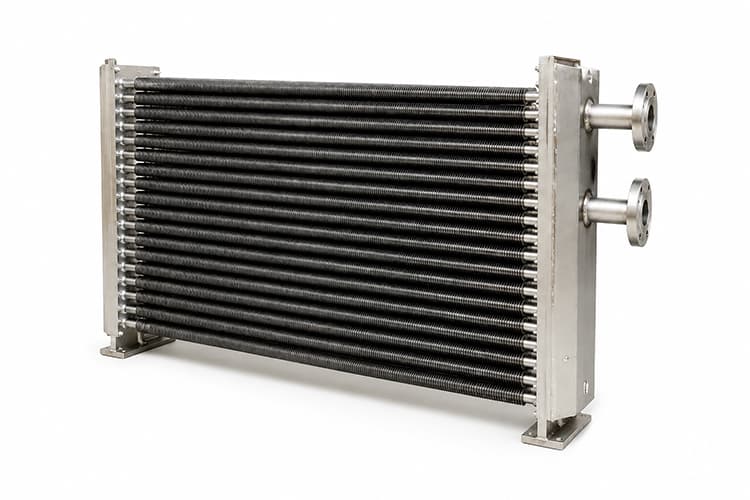
The main heat transfer section where process heat transfers from tubes to fins and air.
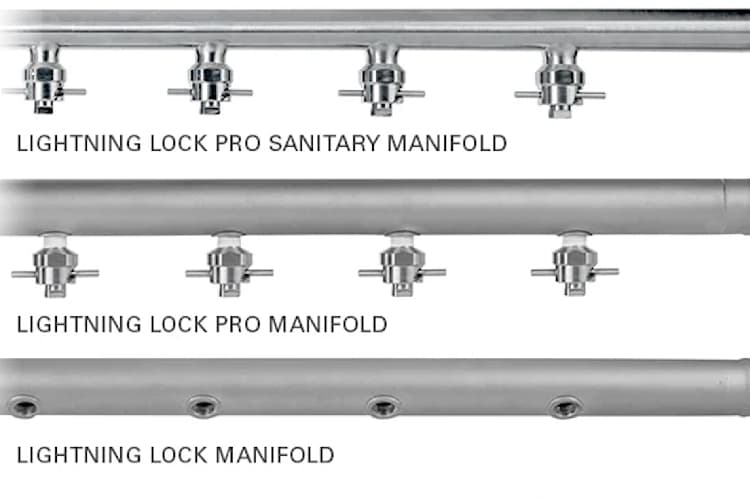
Distributes process fluid into tube circuits and collect the cooled or condensed outlet stream.

Moves ambient air through the finned tube bundle for heat rejection.

Provides fan power and can be configured for fixed speed or variable speed operation.
Material selection affects pressure safety, corrosion resistance, heat transfer performance, service life and maintenance cost.
The best configuration depends on process fluid, temperature, pressure, ambient environment and project standards.

Tube and header materials should match process fluid compatibility, pressure, temperature and corrosion risk.
Fin design affects airside heat transfer, pressure drop, cleaning difficulty and corrosion resistance.

Structural materials should match outdoor exposure, wind load, corrosion environment and export project requirements.
Air cooled heat exchangers can be designed with forced draft or induced draft fan arrangements.
The correct selection depends on airflow distribution, service access, hot air recirculation risk, plot layout and maintenance strategy.
Fans push air into the tube bundle, often from below. This can provide easier fan and motor access in some layouts.
Fans pull air through the bundle and discharge it from the outlet side, which can improve air distribution in selected designs.
Fan staging, VFD control and low-noise fan selection can improve energy efficiency and temperature stability.
Air cooled heat exchangers avoid open water system maintenance, but airside cleanliness and mechanical reliability are critical.
Dust, oil mist, fibers, sand and industrial particles can block fins and reduce heat transfer.
Airside fin surfaces should be cleaned according to site dust, oil mist and fouling conditions.
Fans, motors, belts, bearings and vibration conditions should be checked regularly.
Process pressure drop, outlet temperature and fouling indicators should be monitored during operation.
Air cooled heat exchangers are selected when customers need industrial heat rejection with low water use,
closed process containment and custom engineering flexibility.
Dry air cooling reduces dependence on cooling water and make-up water systems.
Avoids open cooling tower water discharge in standard dry operation.
Process fluid remains inside pressure-rated tubes and headers.
Useful where water supply, water treatment or discharge control is difficult.
Tube, fin, fan, pressure rating and layout can be engineered for process conditions.
Dry operation avoids evaporative plume associated with cooling towers.
Fan staging and VFD control can support part-load energy savings.
Suitable for cooling, condensing and heat rejection across multiple industries.
Thermocore can customize air cooled heat exchangers according to process fluid, heat duty, pressure rating,
tube material, fin type, fan arrangement, noise limit, control strategy, installation layout, corrosion environment
and export shipping requirements.
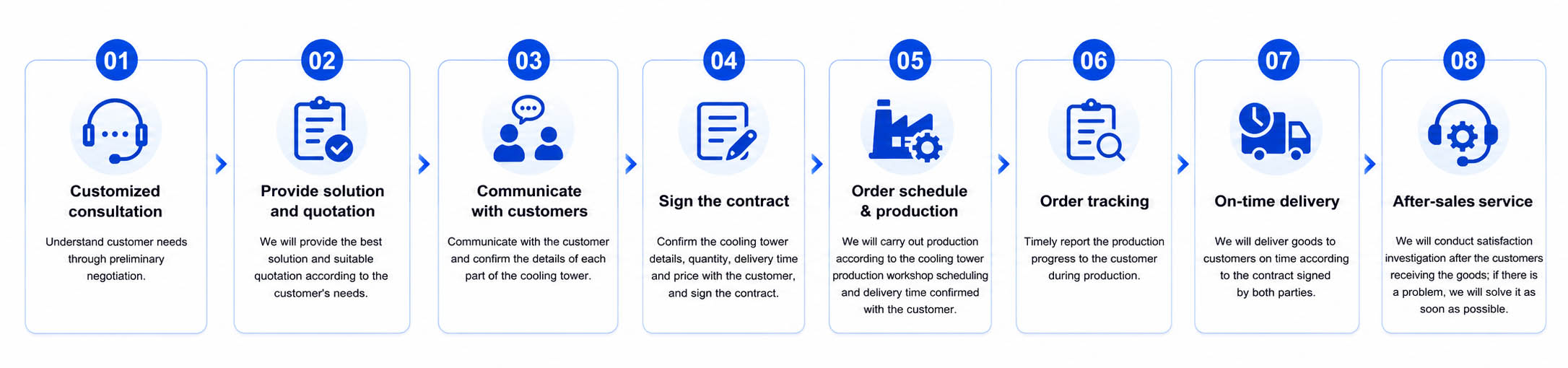
For specific fluid properties, heat duty, pressure drop and thermal performance requirements.
For pressure rating, corrosion resistance, high temperature and special process compatibility.
For forced draft, induced draft, low noise, VFD control, maintenance access and plot space constraints.
Send your process fluid, heat duty, flow rate, inlet and outlet temperature, operating pressure, allowable pressure drop,
design dry bulb temperature and material requirements. Our engineering team will review whether an air cooled heat exchanger,
dry cooler, cooling tower or water cooled heat exchanger is more suitable.
These FAQs are written for engineers, EPC contractors, industrial buyers and procurement teams who need to understand
air cooled heat exchanger selection, process design, materials, operation and customization.
Air cooled heat exchangers are industrial heat rejection units that use ambient air to cool or condense process fluids inside finned tube bundles. The process fluid flows inside the tubes, while fans move air across the external fin surface. Heat transfers from the fluid to the tube wall, from the tube to the fins, and finally to the surrounding air. Air cooled heat exchangers are commonly used in oil and gas, petrochemical, power generation, chemical processing, refrigeration, HVAC and industrial process cooling applications.
Hot process fluid enters the finned tube bundle through the inlet header. As the fluid flows through the tubes, axial fans move ambient air across the fins. The fins increase the external heat transfer surface area, allowing heat to move from the fluid to the air stream. The cooled fluid or condensed vapor leaves through the outlet header and returns to the process, condenser loop, compressor system or industrial equipment.
Air cooled heat exchangers are selected when a project requires heat rejection without an open water cooling system. They reduce or eliminate cooling water consumption, avoid cooling tower blowdown, reduce water treatment requirements and allow installation in water-scarce or remote locations. They are also useful when process fluid must remain isolated inside a closed tube circuit.
A dry cooler is commonly used for water or glycol cooling in HVAC and industrial utility loops, while an air cooled heat exchanger is a broader industrial term that can include cooling, condensing or process heat rejection for many fluids, including hydrocarbons, steam, refrigerants, thermal oils and chemical process streams. Both use finned tubes and fans, but air cooled heat exchangers are often engineered for heavier industrial duty, higher pressure, higher temperature or process-specific requirements.
An air cooled heat exchanger rejects heat through dry sensible heat transfer to ambient air, while a cooling tower rejects heat mainly through evaporative cooling with water exposed to air. Air cooled heat exchangers use little or no water and keep the process fluid inside tubes. Cooling towers can often achieve lower water temperatures closer to wet bulb temperature, but they require make-up water, water treatment and open water maintenance.
An air cooled heat exchanger uses ambient air as the cooling medium, while a water cooled heat exchanger uses water as the cooling medium, often through shell-and-tube or plate heat exchanger designs. Water cooled systems can be more compact and may achieve lower temperatures, but they require a reliable water supply, cooling tower or water loop. Air cooled systems are preferred when water is limited or water treatment should be reduced.
Important selection data includes heat duty, process fluid name and composition, mass flow rate, inlet temperature, required outlet temperature, operating pressure, allowable pressure drop, design ambient dry bulb temperature, altitude, fouling factor, material requirement, site conditions, noise limit, power supply and installation space.
Dry bulb temperature is the main ambient design condition because air cooled heat exchangers reject heat through sensible air cooling. The process outlet temperature is limited by the ambient dry bulb temperature and the selected approach. A high design dry bulb temperature requires more heat transfer surface, more airflow, larger fans or a higher allowable outlet temperature.
In a forced draft air cooled heat exchanger, fans push air into the tube bundle from below or from the inlet side. In an induced draft design, fans pull air through the tube bundle and discharge it from the outlet side, often above the bundle. Forced draft designs can provide easier fan access and lower fan inlet temperature, while induced draft designs can provide better air distribution and reduced hot air recirculation in some layouts.
To receive an accurate quotation, send the heat duty, process fluid, fluid composition, flow rate, inlet and outlet temperatures, operating pressure, allowable pressure drop, design ambient dry bulb temperature, altitude, material preference, noise requirement, power supply, installation space and any special design standards or project requirements.
Send us your process fluid, heat duty, flow rate, inlet and outlet temperature, operating pressure,
allowable pressure drop, design dry bulb temperature, site conditions and material requirements.
Our engineering team will help you select a suitable air cooled heat exchanger configuration.